Why Choose HotelRome.com
Planning a stay in Rome can be overwhelming, but HotelRome.com makes it simple and stress-free. Our platform is dedicated exclusively to accommodations in the Eternal City, offering a handpicked selection of the best hotels across all districts — from charming boutique stays near the Spanish Steps to modern business hotels by Termini Station. Each property is reviewed, rated, and vetted for quality, so you can book with confidence.
We eliminate hidden fees and confusing booking steps. Our clean interface lets you search by neighborhood, travel style, or amenities, and instantly compare prices and availability. With exclusive last-minute offers and real-time support, HotelRome.com helps you save both time and money. Whether you're traveling for romance, history, family, or work — we’re here to help you find the perfect base to explore Rome's wonders. Discover, compare, and book — all in one place.
Hotels by Area
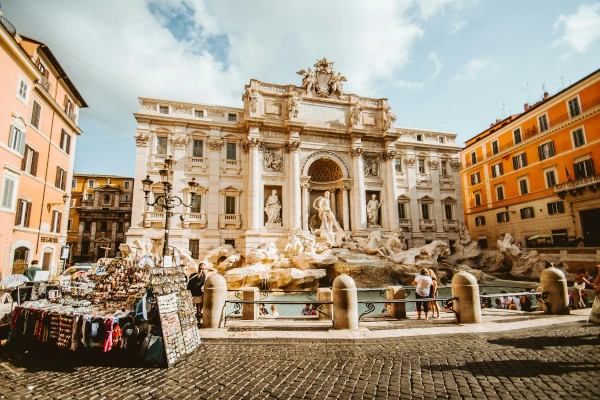
Historic Center
The Historic Center of Rome is where past and present meet in spectacular fashion. Staying here means immersing yourself in centuries of art, history, and architecture — with world-famous landmarks like the Pantheon, Trevi Fountain, Piazza Navona, and the Spanish Steps all within walking distance. It’s a pedestrian-friendly area filled with cobblestone alleys, romantic piazzas, and charming cafés that come alive at every hour of the day.
Hotels in this area range from luxurious five-star palaces in Renaissance buildings to cozy boutique accommodations with stunning rooftop views. Whether you're looking for a romantic getaway, a cultural deep dive, or simply the convenience of being at the center of everything, the Historic Center is the perfect base. With easy access to public transport, top-rated restaurants, and major museums, it remains one of the most sought-after districts by travelers from around the world.
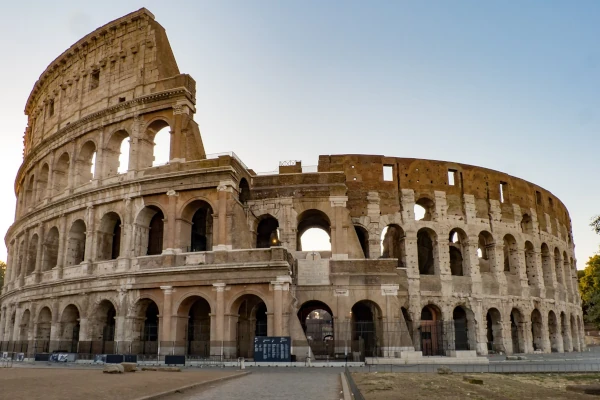
Colosseum
Staying near the Colosseum places you in the heart of ancient Rome. This iconic amphitheater, once the stage of gladiator battles, now stands as one of the world's most visited monuments. Just steps away, you'll find the Roman Forum, Palatine Hill, and Capitoline Museums — offering a journey through history unlike any other.
The area features a wide variety of hotels, from upscale terraces with direct views of the Colosseum to charming guesthouses tucked into quiet side streets. It's perfect for history lovers, photographers, and first-time visitors who want to explore Rome's archaeological wonders by foot. With easy metro access and plenty of traditional trattorias nearby, this district blends convenience, culture, and awe-inspiring views into one unforgettable experience.

Trastevere
Trastevere is one of Rome's most beloved and atmospheric neighborhoods. Known for its bohemian charm, ivy-covered facades, and cobblestone streets, this district offers a truly authentic Roman experience. Here, you'll find artisan shops, buzzing piazzas, centuries-old churches, and some of the best traditional restaurants in the city — all nestled within walking distance of the Tiber River.
Hotels in Trastevere range from stylish boutique guesthouses to quaint B&Bs with inner courtyards. It's ideal for travelers who want to explore the city’s cultural roots while enjoying a vibrant nightlife scene and local lifestyle. Trastevere is well connected by tram and bus, making it easy to access both the historic center and Vatican City. Whether you're visiting for the food, the character, or the convenience, staying in Trastevere means living Rome like a local.
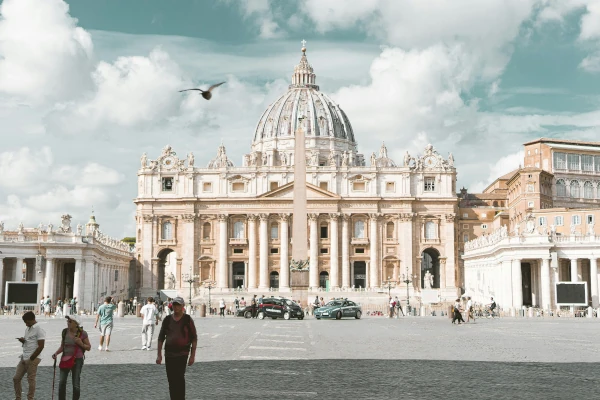
Vatican and Prati
Located just across the Tiber River, the Vatican and Prati district offers a refined and peaceful atmosphere ideal for travelers seeking both elegance and spiritual exploration. St. Peter's Basilica, the Vatican Museums, and the Sistine Chapel are within walking distance, making it the perfect area for visitors eager to discover the heart of Catholic history and art.
The Prati neighborhood, adjacent to the Vatican, is known for its wide boulevards, upscale boutiques, and excellent dining options. Hotels here often feature stylish interiors, modern comforts, and quieter surroundings compared to the bustling city center. With easy access to metro line A, guests can also quickly reach other major landmarks like the Spanish Steps or Piazza del Popolo. Whether you're attending a papal audience or enjoying a gourmet meal on Via Cola di Rienzo, this area blends cultural depth with urban sophistication.

Termini Station
Termini Station is Rome’s main transportation hub, making it an ideal location for travelers seeking quick access to trains, metro lines, and airport transfers. Whether you're arriving late, departing early, or planning to explore Italy beyond the capital, staying near Termini offers unmatched convenience and flexibility.
The area is filled with a wide range of accommodations — from modern business hotels with meeting rooms and fast Wi-Fi to affordable options for short stays. You’ll also find useful amenities like 24-hour eateries, luggage storage services, and quick connections to both city attractions and the Fiumicino and Ciampino airports. It's particularly suitable for business travelers, solo visitors, and anyone who values efficiency without sacrificing comfort or safety.
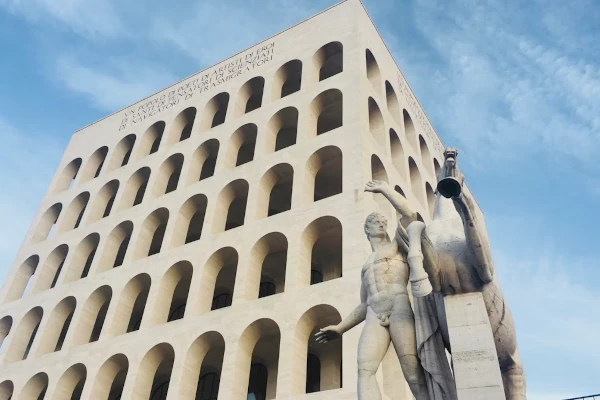
EUR
EUR (Esposizione Universale di Roma) is a modern and spacious district located in the southern part of the city. Originally developed for a world exposition in the 1940s, it features monumental architecture, wide boulevards, and contemporary urban planning that contrasts with the narrow alleys of Rome's historic core. Today, EUR is known for its government offices, business centers, and international conference venues, making it a favorite among professionals and corporate travelers.
The area offers a mix of upscale hotels, business-friendly accommodations, and quiet residential streets surrounded by green parks and fountains. It's also home to the iconic Palazzo della Civiltà Italiana and the modern Roma Convention Center "La Nuvola." EUR is well connected to central Rome via metro line B, making it convenient for those who want modern comfort with easy access to cultural landmarks. Whether you're attending an event or looking for a peaceful stay away from the city buzz, EUR is a sophisticated and practical choice.
Types of Stay
- Romantic hotels with views and private jacuzzis
- Family hotels with spacious rooms and kid-friendly amenities
- Business hotels with fast Wi-Fi and meeting rooms
Most Booked Hotels in Rome
- Hotel Adriano – Historic Center
- Boutique Hotel Campo de' Fiori – Campo Marzio
- The Guardian Hotel – Termini
- Hotel San Francesco – Trastevere
- Hotel Capo d’Africa – Colosseum